

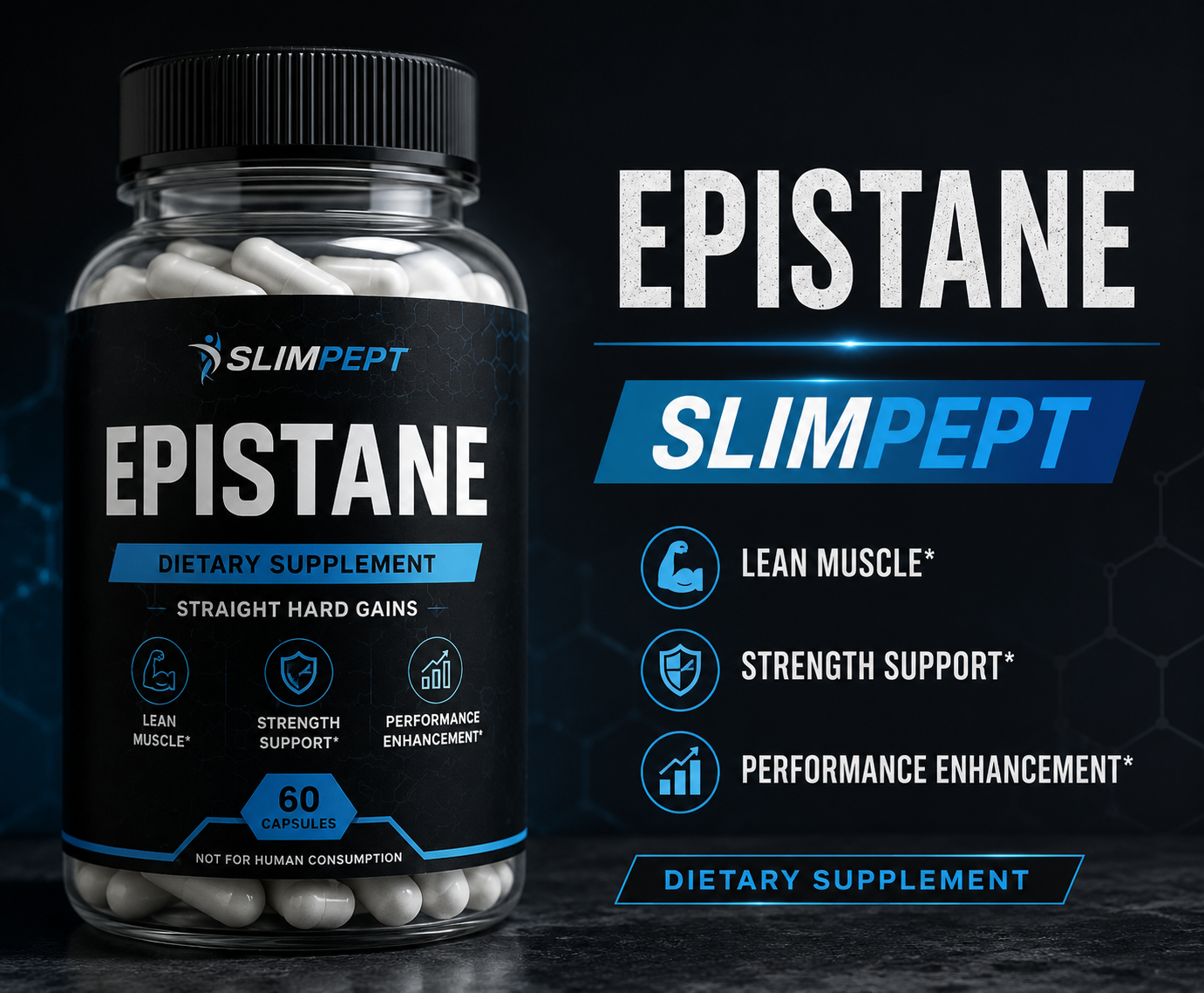
Epistane 20 mg x 90 caps
$60.00
Purchase Epistane, including technical details, chemical structure, CAS number, formula, packaging information, quality assurance, research applications, shipping information, and COA request guidelines.
Description
Epistane: Complete Technical Guide, Chemical Information, Research Applications & Product Overview
Introduction
Epistane is a synthetic anabolic-androgenic steroid (AAS) derivative that has attracted attention within scientific literature due to its unique chemical structure and pharmacological profile. Originally developed as an orally active compound, Epistane has been investigated in laboratory settings for its interactions with androgen receptors and its potential biological activity.
Today, Epistane is primarily discussed within analytical chemistry, pharmaceutical reference standards, and laboratory research environments. Researchers often evaluate its physicochemical characteristics, purity profile, stability, and molecular composition using advanced analytical techniques. http://reddit.com
This guide provides comprehensive information regarding Epistane, including its chemical properties, laboratory specifications, packaging standards, quality control, shipping information, and commonly referenced research applications.
Product Information
Epistane is a sulfur-containing derivative of dihydrotestosterone (DHT). Its molecular modifications distinguish it from many conventional anabolic steroids and contribute to its unique chemical behavior.
The compound is generally supplied for analytical or research purposes depending on regional regulations and supplier policies. Laboratories commonly examine Epistane using chromatographic and spectroscopic methods to verify identity and purity.
Researchers evaluating Epistane typically focus on:
- Chemical characterization
- Molecular stability
- Reference standard development
- Pharmaceutical analytical methods
- Laboratory validation studies
- Compound identification
H3: Technical Details
| Specification | Details |
|---|---|
| Product Name | Epistane |
| Chemical Class | Synthetic anabolic-androgenic steroid derivative |
| Molecular Formula | C20H30O2S |
| Molecular Weight | 334.52 g/mol |
| Appearance | White to off-white crystalline powder |
| Solubility | Soluble in many organic solvents |
| Storage Temperature | Cool, dry environment protected from moisture and light |
| Stability | Stable under recommended storage conditions |
CAS Number
Epistane has been referenced under the following CAS Number:
4267-80-5
(Researchers should verify CAS identifiers with current supplier documentation.)
Chemical Formula
C20H30O2S
Chemical Structure
Epistane is structurally related to dihydrotestosterone derivatives and contains:
- Sulfur-containing epithio ring
- Steroid nucleus
- Hydroxyl functional group
- Ketone functional group
The molecular arrangement contributes to its physicochemical characteristics and laboratory identification profile.
Physical Properties
Typical laboratory characteristics include:
- White crystalline powder
- Low moisture content
- High chemical stability
- Moderate lipophilicity
- Organic solvent solubility
- Low volatility
Actual specifications may vary slightly depending on production batch.
Manufacturing Standards
Professional manufacturers generally implement:
- GMP-inspired production practices
- Controlled synthesis procedures
- Batch traceability
- Multiple purification stages
- Analytical verification
- Secure packaging protocols
Each production stage is designed to maintain consistent product quality.
H3: Packaging Information
Common laboratory packaging options include:
- 1 gram
- 5 grams
- 10 grams
- 25 grams
- 50 grams
- 100 grams
- Custom laboratory quantities
Packaging generally consists of:
- Moisture-resistant containers
- Vacuum-sealed bags
- Amber bottles
- Tamper-evident packaging
- Clearly labeled containers
- Batch identification labels
H3: Purity, Testing & Quality Assurance
Quality assurance plays an essential role in laboratory-grade materials.
Professional suppliers commonly perform:
- High-Performance Liquid Chromatography (HPLC)
- Liquid Chromatography–Mass Spectrometry (LC-MS)
- Nuclear Magnetic Resonance (NMR)
- Infrared Spectroscopy (FTIR)
- Identity verification
- Moisture analysis
- Heavy metal screening
- Residual solvent testing
- Microbiological assessment (where applicable)
Typical laboratory-grade materials may be supplied with purity levels appropriate for analytical applications, subject to supplier specifications.
Each production batch should undergo comprehensive quality control before release.
Request the Current COA
Before purchasing any laboratory reference material, request the latest:
- Certificate of Analysis (COA)
- Batch-specific purity report
- HPLC chromatogram
- LC-MS results
- Manufacturing batch number
- Testing date
- Storage recommendations
- Shelf-life information
A current COA helps verify the identity and analytical characteristics of the specific batch being supplied.
Laboratory Storage Recommendations
For long-term stability:
- Store in tightly sealed containers.
- Protect from direct sunlight.
- Avoid excessive humidity.
- Minimize repeated exposure to air.
- Maintain recommended storage temperatures.
- Use clean laboratory handling procedures.
Proper storage helps preserve analytical integrity over time.
Common Research Applications Include
Scientific interest in Epistane has included laboratory investigations into:
- Androgen receptor interaction studies
- Steroid analytical method development
- Pharmaceutical reference standards
- Chemical stability testing
- Chromatographic method validation
- Structural identification
- Metabolite analysis
- Quality control reference materials
- Pharmaceutical impurity profiling
- Spectroscopic characterization
Applications vary depending on institutional research objectives and applicable regulations.
Analytical Identification Methods
Laboratories commonly identify Epistane using:
- HPLC
- LC-MS/MS
- GC-MS
- FTIR
- NMR spectroscopy
- UV spectroscopy
- Melting point analysis
- Elemental analysis
Combining multiple analytical methods improves confidence in compound identification.
Stability Characteristics
Under appropriate storage conditions, Epistane generally demonstrates:
- Good chemical stability
- Low degradation under dry conditions
- Consistent analytical profile
- Minimal oxidation when properly stored
- Long-term reference standard stability
Environmental factors such as moisture, oxygen, and excessive heat may negatively affect stability.
Shipping & Availability
Availability depends on local regulations and supplier inventory.
Professional suppliers commonly offer:
- Domestic shipping
- International shipping where legally permitted
- Secure laboratory packaging
- Batch tracking
- Discreet packaging when appropriate
- Express courier options
- Wholesale quantities
- Research institution supply
Customers should verify local import requirements before ordering laboratory chemicals.
Choosing a Reliable Supplier
A reputable supplier should provide:
- Verified laboratory testing
- Recent Certificate of Analysis
- Transparent batch records
- Technical documentation
- Customer support
- Secure packaging
- Consistent manufacturing standards
- Clear storage instructions
Reliable documentation helps ensure product consistency and traceability.
Precautions
When handling laboratory chemicals:
- Wear appropriate personal protective equipment (PPE).
- Avoid inhalation of dust.
- Prevent contact with skin and eyes.
- Handle only in suitable laboratory environments.
- Keep containers tightly sealed.
- Store away from incompatible substances.
- Dispose of materials according to local regulations.
- Keep out of reach of unauthorized persons.
where to buy Epistane? http://slimpept.com
Reviews
There are no reviews yet.